Email:alexander@dayiforgingtech.cn
Language: 



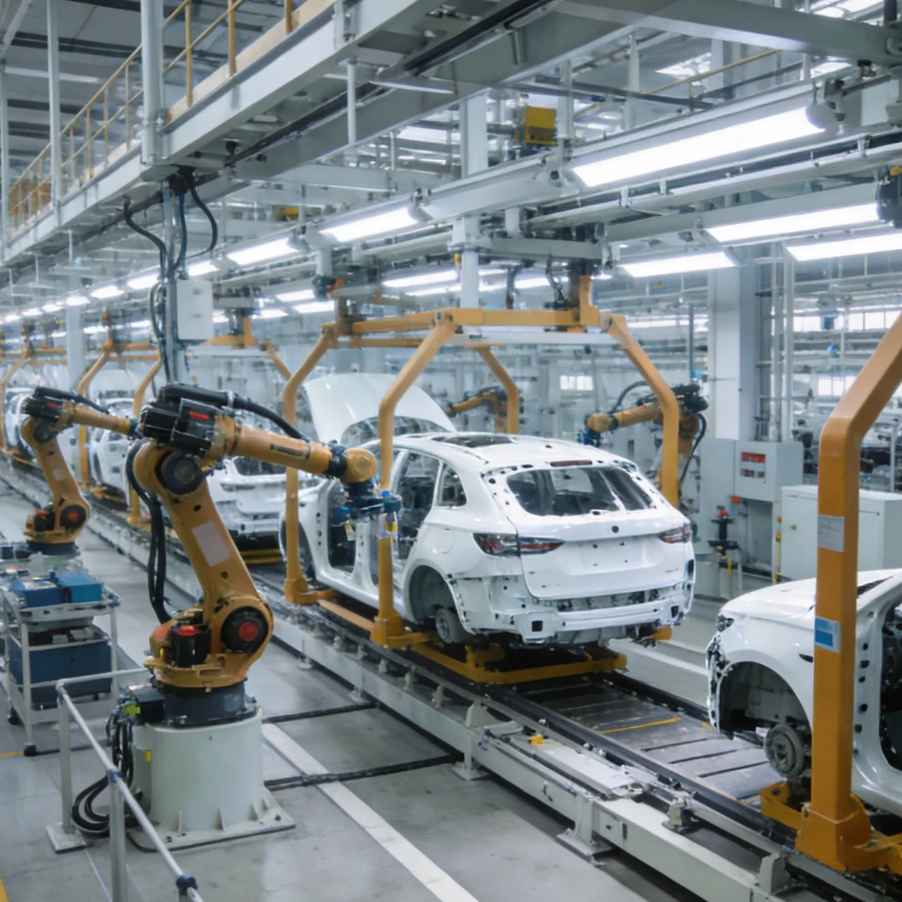
I. Automobiles and Commercial Vehicles (the largest downstream sector for domestic forging presses, accounting for approximately 35% of the nation’s total demand for forging presses)
Covering gasoline-powered vehicles, new energy vehicles, heavy-duty trucks, trailers, and buses,
Components for traditional gasoline-powered vehicles (primarily die-forged)
Crankshafts, connecting rods, half-shafts, steering knuckles, gearbox gear blanks, wheel hubs, chassis and suspension brackets; high-volume production using 1,000–3,000-metric-ton hot die-forging hydraulic presses.
Heavy-duty trucks, semi-trailers, and cargo trucks
Hollow/solid trailer axles: Specialized horizontal forging and extrusion presses (mainly 1,600–3,600 metric tons) for hot extrusion at both ends, used for upsetting and reducing the diameter of 140 mm thick-walled steel tube axle ends;
Axle housings, balance shafts, leaf spring seats, tow pins, and wheel hub flanges;
A large number of automated production lines equipped with forging robots; procurement volumes are extremely high in domestic trailer manufacturing clusters (Liangshan, Shandong; Huainan, Anhui; Xuzhou, Jiangsu)
New Demand for New Energy Vehicles (Rapid Growth)
Motor spindles, hollow shafts, high-strength steel structural components for battery packs, aluminum alloy chassis control arms, and integrated high-strength steel hot-stamped parts; lightweight aluminum alloy and magnesium alloy multi-purpose precision isothermal forging hydraulic presses.
Supporting Products: Forged wheels, truck brake valve bodies, and forged blanks for high-strength bolts.
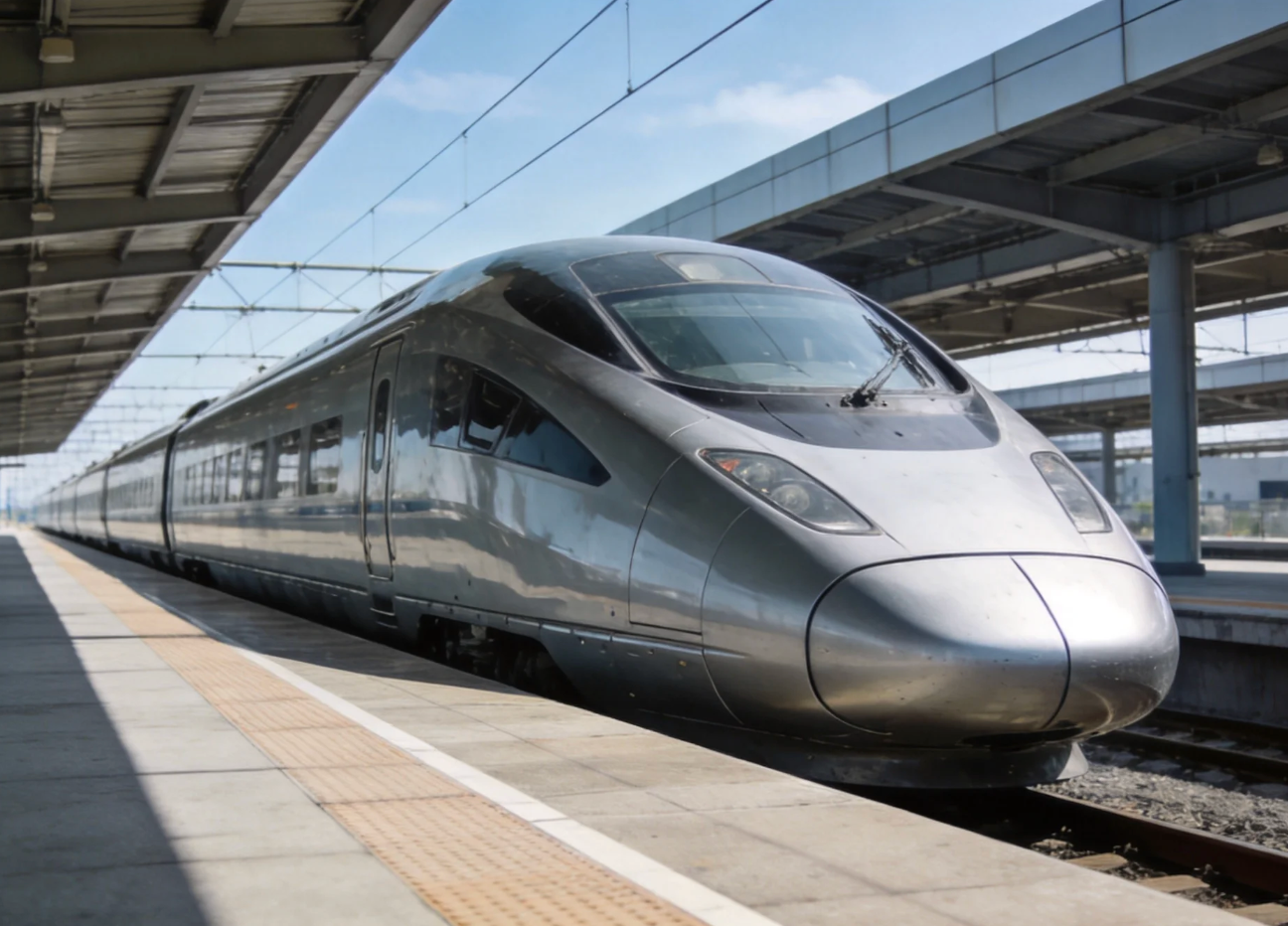
II. Rail Transit (High-Speed Rail, Subways, Freight Trains—the Two Major Application Areas for Hollow Axles)
Comprehensive coverage of the two major production routes for railway and metro hollow axles:
Route 1: Hot extrusion forging at both ends (horizontal axle extrusion hydraulic press): The preferred method for mass production of standard-speed freight train and metro axles;
Route 2: Integral hot spinning with preliminary forged billets: For high-end high-speed rail and EMU hollow axles, tube billets are first forged using a high-speed forging machine, followed by finishing via roll spinning.
Other Forgings: Bogie side frames, crossbeams, wheel sets, switch components, couplers, brake cylinder valve bodies, and motor shafts—primarily produced using 2,000–5,000-metric-ton open-die and die-forging presses.
Domestic CRRC affiliates and regional rail transit suppliers consistently procure heavy-duty forging equipment throughout the year.
III. Energy Equipment (Wind Power, Thermal Power, Nuclear Power, Oil & Gas, and Petrochemicals—the Main Markets for Heavy-Duty, High-Tonnage Forging Presses)
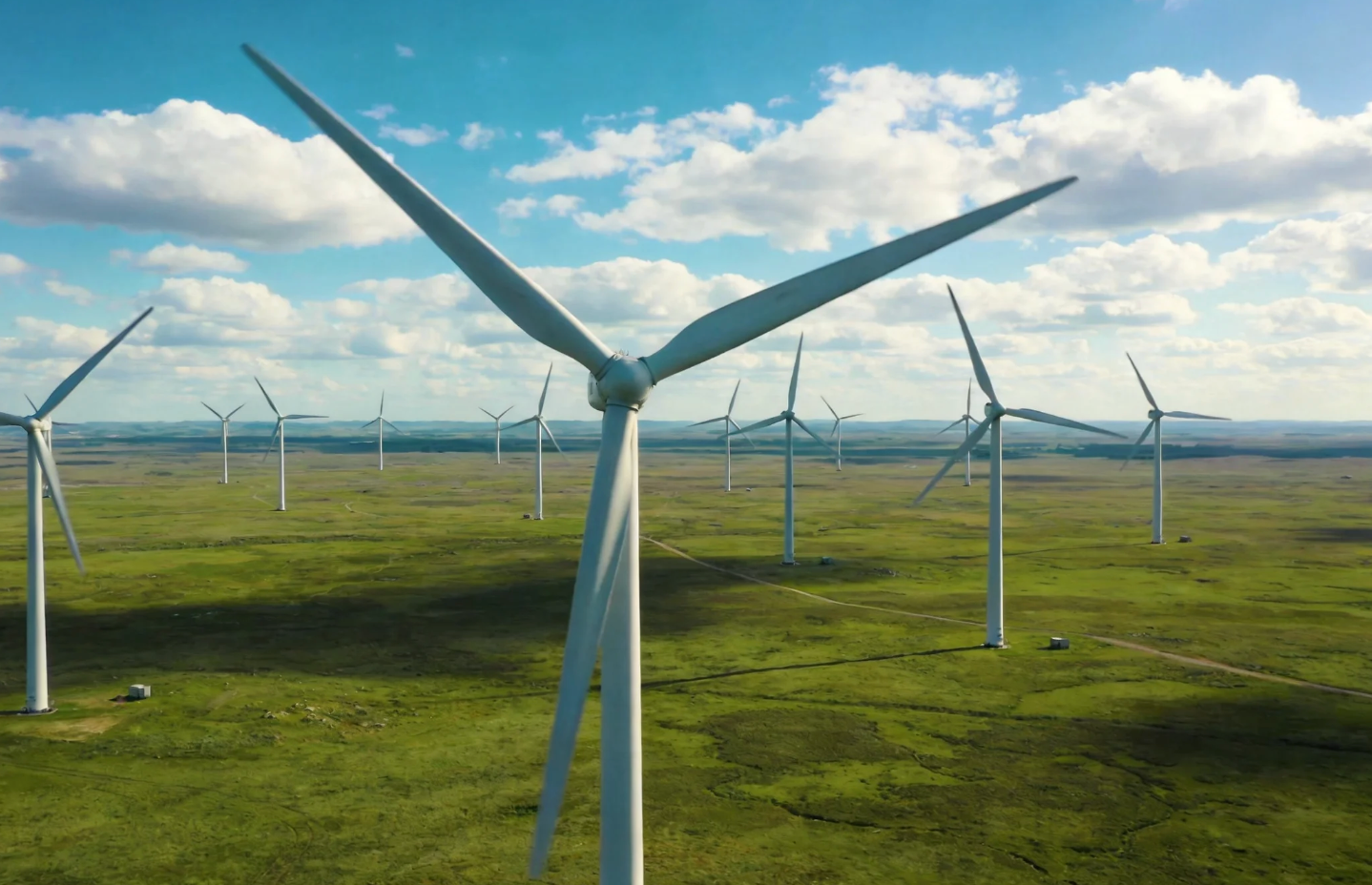
1. Wind Power (Largest Growth in Clean Energy)
Wind turbine main shafts, inner and outer gear rings for gearboxes, flanges, bearing housings, and hub forgings; these require 10,000-metric-ton-class free-forging hydraulic presses, as the forgings are large in size and must have uniform grain structure and high fatigue resistance.
2. Nuclear Power (Critical Demand for Ultra-Large, High-End Forging Presses)
Reactor main pipes, pressure vessel shells, flanges, nuclear power main pump shafts, and nuclear power valve bodies; require the use of 10,000-metric-ton-class or larger free-forging hydraulic or oil-hydraulic presses capable of withstanding high temperatures and radiation while ensuring zero internal defects. Large presses manufactured by domestic companies such as Shangzhong and Taizhong are exclusively supplied for nuclear power forgings.
3. Thermal Power / Supercritical Units
Steam turbine rotors, generator main shafts, high-pressure cylinder valve bodies, and impellers; large forgings rely on heavy-duty open-die forging presses for drawing and upsetting.
4. Oil, Natural Gas, and Pipeline Fittings
High-pressure oil and gas elbows, tees, and thick-walled pipes: multi-directional die-forging hydraulic presses and pipe fitting extrusion forging lines;
wellhead valve bodies, blowout preventers, high-pressure pipeline flanges, drill collars, and sucker rods; a large volume of corrosion-resistant alloy steel forgings for oilfields rely on forging for shaping.
IV. Aerospace + Defense and Military Industry (High-End Precision Forging, Hub for Isothermal Forging and Ultra-Large Die-Forging Presses)
This is a niche market with high entry barriers, featuring a vast range of press tonnages (from several hundred metric tons to 80,000 metric tons). It primarily focuses on difficult-to-form materials such as titanium alloys, high-temperature alloys, and high-strength special steels.
Civilian Large Airliners (C919, CR929)
Landing gear main beams, airframe load-bearing frames, wing spars, engine casings, and blade forgings; these applications utilize large die-forging hydraulic presses rated at 40,000 metric tons or more, with facilities concentrated in Xi’an, Deyang, and Chengdu within China.
Military Aircraft and Space Rockets
Combat aircraft landing gear, missile casings, launch vehicle structural components, and high-temperature alloy forgings for space engines; Extensive use of isothermal forging hydraulic presses for low-temperature, low-speed, precision shaping.
Army Defense Industry
Tank track plates, turret rings, gun barrels, armored vehicle suspension axles, and firearms forgings; a combination of small- and medium-sized hot die forging presses and large open-die forging presses is used.
Naval Defense Industry: High-strength forgings for warship drive shafts, naval valves, and torpedo casings
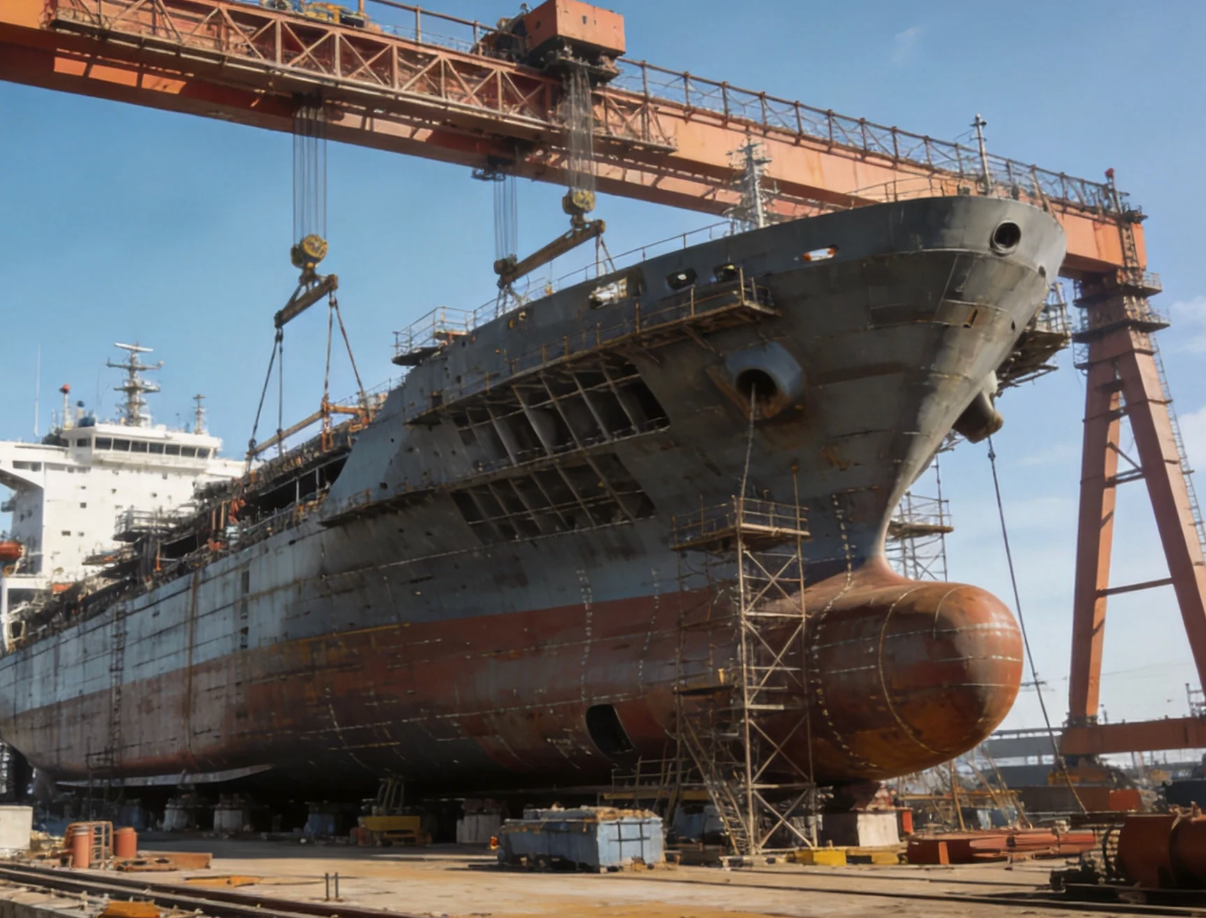
V. Heavy Shipbuilding (Ocean-going Cargo Ships, Warships, and Large Rotating Forgings)
Civil Ocean-going Ships: Large marine crankshafts, propeller shafts, rudder stocks, rudder pins, and mooring posts; precision machining following segmented forging of giant long shafts using free-forging presses.
Ship Piping: Marine high-pressure flanges, thick-walled tees, and high-strength hull lifting lugs; Pipe fittings formed using multi-directional die-forging presses.
Offshore Engineering: Mooring shafts for offshore drilling platforms; pressure-resistant housing forgings.
VI. Construction & Mining Machinery (High installed base of mid-to-low-end forging presses)
Essential demand across the entire supply chain for excavators, loaders, cranes, and mining crushers:
Excavators: Boom arms, bucket link pins, hydraulic cylinder bases, track rollers, drive gear rings;
Mining: Crusher hammers, rollers, wear-resistant bushings, ball mill end caps;
Construction Cranes: Winch shafts, hook blanks, telescopic boom hinge forgings;
Characteristics: Forgings tend to be thick, heavy, and wear-resistant; precision requirements are lower than in the aerospace industry; 1,000–4,000-metric-ton rapid forging and die-forging presses are used most extensively due to their cost-effectiveness.
VII. General Machinery, Hardware and Piping, Fasteners (Highly Competitive Market for Small- and Medium-Tonnage Forging Presses)
General Machinery: Gear shafts for reducers, pump shafts, fan main shafts, various types of flanges;
Fasteners: High-strength bolts, nuts, anchor bolt forgings (for wind power and infrastructure anchor bolts); small multi-station forging presses are popping up everywhere;
Plumbing, Fire Protection, and High-Pressure Valves: Stainless steel and carbon steel valve bodies and fittings; small-to-medium-sized multi-directional die forging;
Metallurgical Rolls: Various steel rolling rolls and forged steel rolls, relying on heavy-duty open-die forging.
VIII. Niche and Specialized Segments
Non-ferrous metal forging: Aluminum, copper, magnesium, and titanium forgings; conductive copper busbars for new energy applications; aluminum alloy valve bodies; utilizing cold/warm forging precision hydraulic presses;
Powder metallurgy forging: Greased bearings, cemented carbides, magnetic materials; powder hot forging presses;
New Materials Research: High-temperature alloys, experimental forgings for special alloys; equipped with small-to-medium-sized precision forging presses at universities and research institutes;
Wheel Forging: Aluminum wheels for commercial vehicles, forged wheel hubs for passenger cars; dedicated hydraulic presses for wheel hub die forging.
Contact: Mr. Alexander King
Phone: +86 17621575373
Tel: +86 17621575373
Email: alexander@dayiforgingtech.cn
Whatsapp:+86 17621575373
Add: Room 1-124, Changkai Building, Gulou District, Xuzhou City, Jiangsu Province, China
We chat